Preparing Your Home for Sale: Curb Appeal, Staging, Pricing and More
- Jul 22
- 10 min read
A buyer can form an opinion about a home before stepping through the front door. The lawn, entryway, scent, lighting, photos, and price all send a message. When those details work together, a home feels easier to trust, easier to picture living in, and easier to make an offer on.
Preparing Your Home for Sale does not mean turning it into a showroom or spending thousands on upgrades. In many cases, the best returns come from practical work: cleaning, decluttering, handling small repairs, improving curb appeal, and presenting the home clearly online.
This guide walks through the steps that help a listing stand out, attract serious buyers, and give sellers more confidence from the first showing to the final offer. This is general information, not financial or legal advice. Local market conditions, your property type, and professional guidance should shape your final decisions.

Start with curb appeal buyers can see right away
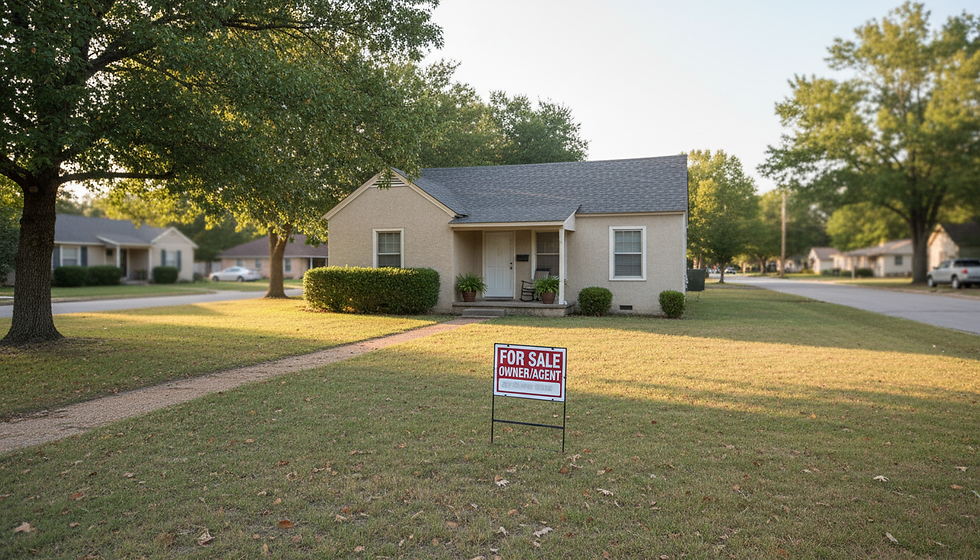
Curb appeal is the first layer of trust. A neat exterior tells buyers the home has likely been cared for. A neglected exterior can make them wonder what else has been deferred.
Real estate professionals often point out that buyers compare homes quickly, both online and in person. Exterior photos are usually among the first images in a listing, so the front of the home has to work hard.
Focus on visible, affordable improvements first:
Mow the lawn and edge walkways
Trim shrubs away from windows and the entry
Remove weeds from beds, cracks, and fence lines
Add fresh mulch where landscaping looks tired
Wash windows, siding, railings, and the front door
Replace dead plants with simple, healthy greenery
Make sure the house numbers are clean and easy to read
Clear toys, tools, hoses, and extra outdoor items
A fresh front door can make a strong impression. If painting the door makes sense, choose a color that suits the home and neighborhood. If paint is not needed, clean the door, polish the hardware, and replace a worn doormat.
Lighting also matters. Many buyers drive by homes after work. Working porch lights, pathway lights, and clean fixtures can make the home feel safer and more welcoming.
Make the entry feel calm and ready
The front entry should feel simple, not crowded. A pair of planters, a clean mat, and visible house numbers are usually enough. Avoid filling the porch with too many seasonal decorations or personal items. The goal is to help buyers notice the home, not the stuff.
If the mailbox, gate, railing, or doorbell looks damaged, repair it before listing photos. These are small details, but buyers often read them as clues about maintenance.
Declutter so buyers can see the space
Decluttering is one of the most effective steps because it changes how large and usable rooms feel. Buyers want to understand storage, traffic flow, and furniture placement. Too many items make that harder.
Start with the areas buyers notice most:
Kitchen counters
Bathroom vanities
Closets
Entryways
Living room surfaces
Bedroom floors and corners
Garage and storage areas
A good rule is to remove anything that does not help the room look useful, clean, or spacious. That includes stacks of mail, extra small appliances, out-of-season coats, personal collections, and bulky furniture that blocks walkways.
Decluttering is not the same as hiding everything in closets. Buyers open closets, cabinets, pantries, and garage doors. If those areas are packed full, the home may feel short on storage. Aim for closets that look about half to two-thirds full, with floors visible and shelves neat.
Pack before you list
If moving is the plan, early packing makes sense. Box up:
Seasonal items
Extra linens
Books and decor
Rarely used kitchen tools
Hobby supplies
Family photos you do not need on display
Extra clothing and shoes
Label boxes clearly and store them off-site if possible. If not, keep them organized in one area of a garage, basement, or storage room. Neat stacks look better than scattered piles.
This step also makes the moving process easier later. Sellers often underestimate how much energy showings take, especially while working, parenting, or managing a mortgage application. Clearing space early reduces stress during the most active part of the sale.

Stage each room with a clear purpose
Staging helps buyers understand how the home lives. It does not need to be expensive. The goal is to make each room easy to read.
A spare bedroom used as a storage room can confuse buyers. Is it an office, guest room, nursery, or gym? Pick one purpose and stage it simply. A small desk and chair can show a home office. A bed with clean linens can show a guest room. A rug and a few organized bins can show a playroom.
Focus on the main spaces first:
Living room
Arrange furniture to create conversation and movement. Pull pieces away from walls if the room allows. Remove extra chairs, side tables, and decor that make the space feel tight.
Keep the TV area tidy, hide cords where possible, and let natural light in.
Kitchen
Kitchens sell daily life. Clear most counters, leaving only one or two useful or decorative items, such as a bowl of fruit or a clean coffee station. Clean appliances inside and out. Wipe cabinet fronts, polish sinks, and remove magnets, papers, and personal notes from the refrigerator.
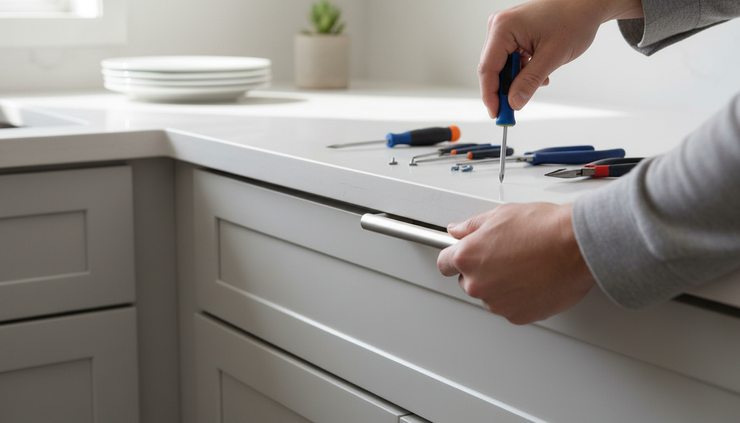
If cabinet hardware is loose or dated, replacing it can be a low-cost improvement. Choose simple hardware that fits the style of the home.
Bedrooms
Bedrooms should feel restful. Use clean bedding, neutral colors, and working lamps. Remove laundry baskets, exercise equipment, and extra furniture. If a bedroom is small, a lighter bedspread and less furniture can make it feel more open.
Bathrooms
Bathrooms need to look clean above all else. Scrub grout, remove soap buildup, replace stained shower curtains, and put away personal items. Fresh towels, a clean mirror, and a simple bath mat can make the room feel more polished.
Outdoor spaces
If there is a patio, deck, balcony, or backyard, show how it can be used. A small seating area or clean grill zone can help buyers imagine morning coffee, pets, kids, or hosting.
Make minor repairs before buyers notice them
Small repairs can have a large effect because they reduce doubt. A buyer may not care deeply about one loose handle. But several small issues can suggest the home has not been maintained.
Walk through the home with a notepad and look for:
Loose doorknobs or cabinet pulls
Leaky faucets
Slow drains
Squeaky doors
Burned-out bulbs
Cracked switch plates
Scuffed walls
Loose railings
Damaged screens
Missing caulk around tubs or sinks
Doors that stick or do not latch
These fixes are often inexpensive, but they make the home feel more cared for. They can also reduce friction during inspection. A home inspection may still find larger issues, but repairing visible problems ahead of time can keep buyers from building a long list of concerns.
Paint is another high-impact repair. Neutral paint can help rooms feel cleaner and brighter. You do not need to remove all personality, but very bold colors can distract buyers in listing photos and showings. Soft whites, warm grays, and light neutral tones usually photograph well.
Know when not to over-improve
Not every project is worth doing before a sale. Major renovations, such as a full kitchen remodel or bathroom overhaul, can take time, add stress, and may not return the full cost. Industry remodeling reports often show that smaller updates can be more practical than large luxury upgrades before selling.
Ask a local real estate professional which repairs buyers expect in your market. In some neighborhoods, dated finishes may be acceptable if the home is priced correctly. In others, worn flooring or old fixtures may hurt showings.
Clean like the home is already on display
A deep clean helps every other preparation step work better. Even good staging falls flat if baseboards are dusty, windows are cloudy, or carpets smell stale.
Pay special attention to:
Windows and window tracks
Baseboards and trim
Light fixtures and ceiling fans
Kitchen appliances
Floors and grout
Bathroom corners
Inside cabinets and drawers
Pet areas
Laundry rooms
Garage floors
Odor is especially important. People quickly become used to the smell of their own home, but buyers notice odors right away. Pet smells, smoke, dampness, cooking odors, and strong fragrances can all distract from the property.
Avoid masking smells with heavy air fresheners. Clean the source instead. Wash fabrics, replace air filters, clean carpets if needed, and air out the home before showings. A clean, neutral scent is best.
Use professional photography to make the listing work harder
Most buyers begin their search online. According to major housing industry surveys, online photos are one of the most used tools in the home search process. That means listing photos are not a bonus. They are often the first showing.
Professional photography can help a home look bright, accurate, and inviting. Good photographers understand light, angles, room flow, and how to make spaces clear without misrepresenting them.
Before photo day:
Open blinds and curtains
Turn on lights
Remove cars from the driveway
Put away trash cans
Clear countertops
Hide pet bowls, beds, and litter boxes
Close toilet lids
Smooth bedding
Remove personal items from showers and vanities
Check mirrors for reflections
Photos should be honest. Wide-angle photos can show layout, but they should not distort room size so much that buyers feel misled. The goal is to attract qualified buyers, not disappoint them at the showing.
Strong online listings answer buyer questions early
A good online listing does more than show pretty photos. It gives buyers enough information to decide whether the home fits their needs.
A clear listing should include:
Accurate square footage, when available
Bedroom and bathroom count
Lot size, if relevant
Parking details
Recent updates
Utility or energy features, when useful
School, commute, or neighborhood context, stated carefully and factually
Homeowner association information, if applicable
Clear showing instructions
Avoid vague claims. Instead of saying a home has “many updates,” name them: roof replaced, new flooring, fresh interior paint, updated lighting, newer water heater, or refreshed landscaping. Use only accurate details, and keep documentation for larger improvements.

Set the right price from the start
Pricing is one of the most important decisions in a home sale. A well-prepared home can still struggle if the price is too high. A strong price can create more attention, more showings, and better offer activity.
Buyers compare homes side by side. They look at photos, location, size, condition, and recent sales. Lenders also rely on appraisals, so a price needs to make sense beyond emotion.
A pricing strategy usually looks at:
Recently sold comparable homes
Active competing listings
Pending sales, when available
Home condition
Lot, layout, and upgrades
Local inventory
Interest rate environment
Days on market trends
The listing price should reflect the market, not the amount a seller hopes to net or the cost of past improvements. Some upgrades add meaningful value. Others make the home more appealing but may not return dollar for dollar.
Avoid the trap of testing the market too high
Overpricing can reduce early momentum. New listings often get the most attention in their first days or weeks online. If the price is too high, serious buyers may skip it. Later price cuts can help, but the listing may no longer feel fresh.
That does not mean underpricing is always the answer. The best price is one that fits the home’s condition, location, and competition. A local professional can prepare a comparative market analysis and explain the reasoning behind the suggested range.
Time the market, but do not wait forever
Seasonality affects real estate. The U.S. Census Bureau and housing market data often show that buying and selling activity changes throughout the year, with many markets seeing more activity in spring and early summer. Families may prefer to move before a school year starts, and better weather can make showings easier.
Still, the “best” time to sell depends on the local market and personal timing. A well-priced, well-presented home can sell in slower seasons. In some areas, listing in winter means less competition. In others, waiting for spring may bring more buyers.
Think through:
When the home will be fully ready
Local inventory levels
Mortgage rate trends
School calendars
Weather patterns
Your next housing plan
Moving costs and timelines
Do not list before the home is ready just to catch a certain weekend. Poor photos, unfinished repairs, or cluttered rooms can hurt the launch. It is usually better to enter the market prepared than to rush and correct problems later.
Build a simple pre-listing checklist
The process feels easier when it has order. Use this checklist as a starting point.
Task | Why it matters |
Clean and improve the exterior | Builds trust before the showing starts |
Declutter rooms and storage areas | Helps buyers see space and function |
Stage main living areas | Shows how the home can be used |
Complete minor repairs | Reduces buyer concerns and inspection friction |
Deep clean every room | Makes the home feel cared for |
Prepare for professional photos | Improves the first online impression |
Review comparable sales | Supports a realistic pricing strategy |
Choose the listing date carefully | Gives the home a stronger market launch |
FAQ
How early should a home be prepared before listing?
Start at least a few weeks before the planned listing date if possible. Decluttering, repairs, cleaning, and photography prep often take longer than expected, especially if work or family schedules are busy.
What upgrades help most before selling?
Small, visible improvements often help the most. Fresh paint, clean landscaping, updated lighting, repaired fixtures, and deep cleaning can improve buyer perception without the cost of a full renovation.
Should a home be empty or staged?
Either can work, but staging usually helps buyers understand room size and purpose. If the home is vacant, even light staging in the living room, kitchen, and primary bedroom can make photos feel warmer.
Is professional photography really necessary?
For most listings, yes. Online photos shape first impressions and help buyers decide whether to schedule a showing. Clear, bright, accurate photos can make a prepared home stand out.
What if the market is slow?
Preparation and pricing matter even more in a slower market. A clean, well-staged, properly priced home gives buyers fewer reasons to hesitate and can compete better against similar listings.

A confident sale starts with preparation
Selling a home can feel personal, practical, and financial all at once. The best way to reduce stress is to focus on what can be controlled: curb appeal, clutter, staging, repairs, clean presentation, strong photos, accurate listing details, and a thoughtful price.
A buyer does not need perfection. They need confidence. When the home looks cared for, photographs well, and enters the market at a realistic price, it has a better chance of attracting serious attention and stronger offers. Start with the visible basics, work room by room, and give the listing the launch it deserves.